


Power outages can hit homes and businesses with very little warning. Knowing what causes power outages puts you in a better position to respond calmly, protect your property, and take steps before the next one strikes. Some outages start in the wider electricity network. Others begin inside your own property, and those are the ones a licensed electrician can help you prevent.
Key Takeaways
- Severe weather events, including storms, high winds, and falling trees, are the most common external triggers for power outages across Sydney and the rest of Australia.
- Faulty appliances, overloaded circuits, ageing switchboards, and deteriorating wiring can all cause an internal outage that has nothing to do with the wider electricity network.
- Regular electrical inspections and switchboard upgrades are the most effective steps homeowners and businesses can take to reduce their risk of an internal power failure.
- If only your property has lost power, circuit breakers keep tripping, or you notice burning smells after power returns, contact a licensed electrician before using your electrical system again.
How Do Severe Weather Conditions Cause Power Outages?
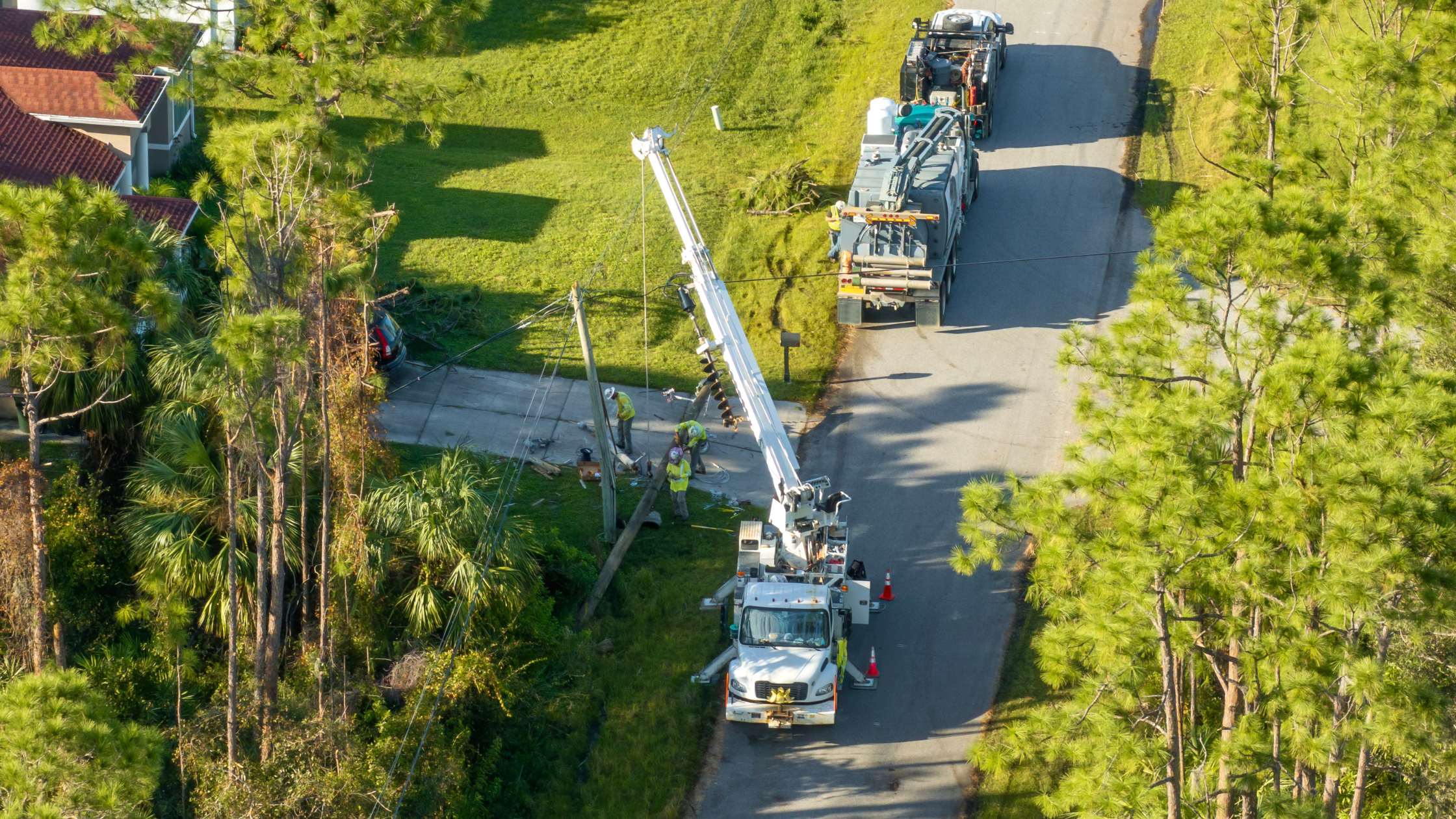
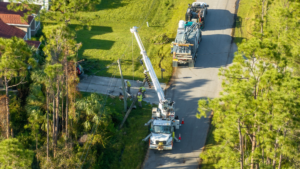
Weather is the single largest external cause of power failures in Australia. Sydney sees severe storms, strong coastal winds, and heavy rainfall each year, and much of the electricity network sits directly exposed to all of it.
Overhead power lines run through open air across suburbs lined with mature trees. When a storm moves through, that exposure puts the network at serious risk and poses hazards to nearby properties. Weather events that commonly interrupt supply include:
- Strong winds that snap power lines or pull them from poles
- Falling trees and branches that strike or sever overhead cables
- Lightning strikes on poles, substations, or distribution equipment
- Heavy rainfall and flooding that reach the substation infrastructure
- Bushfires that destroy poles, conductors, and surrounding assets
Most residential streets in Sydney still rely on overhead lines rather than underground cabling. Preparing for temporary supply interruptions during storm season is particularly worthwhile in suburbs with dense tree cover near power lines.
Fallen power lines must be treated as live at all times after a storm event. Stay at least eight metres away from any downed line and report it to your electricity provider immediately. Never approach a fallen line to check whether it is still energised.
When a large-scale outage occurs, network operators restore supply to the highest number of customers first. How that restoration sequence works depends on fault location, network structure, and the number of affected customers. Properties at the end of a distribution line or in isolated pockets often wait longer than those in other parts of the distribution line.
Can Faulty Electrical Equipment Cause Power Outages?
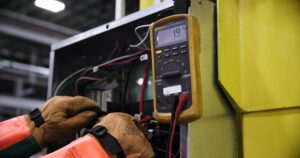
Not every outage comes from the grid. Electrical faults within a property can trip the switchboard, cut power to an entire circuit, or shut down the supply to the whole building, even if there is no fault in the wider network. If your neighbours still have power and you do not, the problem is most likely internal.
Checking whether only your property is affected is the recommended first step when diagnosing any outage. If it is isolated to your building, a licensed electrician needs to investigate. Common internal causes of power failures include:
- Faulty or ageing appliances drawing more current than the circuit can handle
- Overloaded power circuits from running too many high-draw devices at once
- Damaged or deteriorating wiring inside walls or under floors
- Defective switchboards that fail to distribute the load correctly
- Circuit breakers that are worn and no longer reset reliably
- Electrical components that have aged past their safe service life
Older Sydney properties carry greater risk. Homes built before the 1990s often have wiring and switchboards that do not meet current safety standards. A switchboard with ceramic fuses instead of circuit breakers and safety switches is a clear sign the system needs attention. Ageing electrical infrastructure is a recurring factor in residential electrical incidents across Australia, and that risk is equally prevalent in older NSW properties.
Frequent circuit breaker trips, warm outlets, and flickering lights without an obvious cause are all worth investigating. For buildings with multiple tenants or shared electrical infrastructure, those warning signs carry even more weight. Our strata electrical services in Sydney include scheduled inspections to catch these faults before they affect multiple occupants.
How Can You Prevent Common Causes of Power Outages?
You cannot stop a storm from damaging network infrastructure, but you can significantly reduce your risk of an outage that starts on your side of the meter. Most internal electrical failures are preventable with consistent maintenance and a few targeted upgrades.
Preventive maintenance is the most cost-effective approach to electrical safety for both residential and commercial properties. Emergency repairs after a fault almost always cost more than the inspection that could have identified it first. Practical steps to reduce your internal outage risk include:
- Scheduling a professional electrical inspection every few years, and more frequently for older properties
- Upgrading an ageing fuse-based switchboard to a modern unit fitted with residual current devices (RCDs)
- Spreading high-draw appliances across different circuits rather than overloading a single power board
- Installing whole-of-property surge protection to guard sensitive electronics against voltage spikes
- Replacing any damaged, frayed, or exposed wiring before it develops into a fault
- Checking that outdoor electrical equipment is correctly weatherproofed and maintained year-round
Modern switchboards do more than distribute power. They include safety switches that detect earth faults and cut the circuit within milliseconds, well before a fault can cause serious damage or injury. If your property still has a fuse box rather than a circuit breaker panel, a switchboard upgrade is one of the most practical electrical improvements you can make to reduce outage risk and improve overall safety.
For businesses, electrical safety compliance requirements for workplaces set the benchmark for testing and documentation that reflects best practice nationally. Keeping systems tested and records maintained protects both staff and operations. Our commercial electrician services in Sydney include routine testing aligned to those standards.
If you are unsure of the condition of your property’s wiring or switchboard, understanding what a standard electrical maintenance inspection covers is a good starting point before booking.
What Should You Do During a Power Outage to Stay Safe?
The priority during any outage is keeping people safe and limiting damage to appliances and equipment. A few straightforward steps in the first few minutes can make a real difference to what you deal with once power is restored.
One of the most overlooked risks is the voltage surge that occurs when the supply returns. That brief spike can damage unprotected electronics. Unplugging sensitive devices before power comes back on and reconnecting them once the supply has stabilised is the simplest way to protect them. Steps to follow during a power outage include:
- Switch off or unplug sensitive electronics, including computers, televisions, and smart appliances to protect them from a restoration surge
- Leave one light switched on so you can tell immediately when the supply has returned
- Use battery-powered or LED torches rather than candles to reduce fire risk during extended outages
- Keep refrigerator and freezer doors closed to hold temperature for as long as possible
- Report the outage to your electricity network provider through their app or fault line
- Stay away from outdoor electrical equipment, particularly after a storm
Having an emergency kit ready before an outage occurs is practical advice that applies year-round. A kit with a torch, spare batteries, a portable charger, and a first aid kit covers most situations. Keeping that kit accessible and up to date takes a few minutes to organise and pays off quickly when supply unexpectedly fails.
If your circuit breakers trip during or after an outage, do not repeatedly reset them. Repeated tripping signals a fault in that circuit. Leave those circuits isolated and call a licensed electrician before restoring power to those areas. Treating any post-outage electrical irregularity as a potential safety hazard until a professional has assessed it is the safest approach.
Extended outages can affect medical equipment, heating, and mobility aids in the home. If anyone in your household relies on electrically powered medical devices, registering with your network provider as a life support customer gives you priority restoration and advance notice of planned outages.
When Should You Call an Electrician After a Power Outage?
If the whole street has lost power and your network provider confirms a grid fault, the repair is their responsibility. But if your property is the only one affected, or if something is not right after power returns, that points to an internal issue that needs professional attention.
Electrical faults must be diagnosed and repaired only by a licensed electrician under Australian law. Attempting to inspect or repair wiring, switchboards, or internal circuits without a licence is dangerous and illegal. Call a licensed electrician if you notice any of the following:
- Only your property has lost its supply, while neighbouring buildings still have power
- Circuit breakers trip again shortly after you reset them
- A burning smell comes from an outlet, switchboard, or appliance after the outage
- Outlets or switches stop functioning once power is restored
- Appliances behave erratically or fail to operate after the outage
- There is visible damage to wiring, outlets, or the switchboard panel
These signs point to a fault that poses a genuine safety risk. Acting on them quickly reduces the chance of a repeat outage, appliance damage, or a more serious electrical incident down the line. Getting your system professionally assessed after an unusual outage is always the safer choice over assuming everything is fine.
For Sydney homes, our residential electrician services cover post-outage fault diagnosis, switchboard testing, and wiring inspections. For businesses, our commercial electrical services cover the same scope at scale, including after-hours inspections for operations that cannot afford extended downtime. Strata managers dealing with a fault across shared infrastructure can reach our strata electrical team for prompt assessment.
If your property shows warning signs after an outage, contact the Monaco Electrical team to arrange an inspection before the next storm season.
Frequently Asked Questions
What are the most common causes of power outages?
The most common external causes are weather events, including storms, high winds, fallen trees, lightning strikes, and flooding, which can damage network infrastructure. Internally, power outages are often caused by faulty appliances, overloaded circuits, ageing wiring, and outdated or defective switchboards. Both types of fault are worth addressing, though internal faults are the ones a licensed electrician can identify and fix before they cause a failure.
How long do power outages usually last?
Duration varies depending on the cause and scale of the fault. A minor local issue may resolve within a few hours, while a major storm affecting thousands of properties can take 24 hours or longer to fully restore. Network providers prioritise repairs that restore the greatest number of customers first, so properties at the end of a distribution line or in isolated areas often wait longer than others. Your electricity provider’s fault line or outage tracker will give the most accurate estimate for your specific address.
Can power outages damage electrical appliances?
Yes, particularly during the restoration phase. When power returns after an outage, a brief voltage surge can travel through the network and into connected devices. Sensitive electronics, including computers, televisions, gaming consoles, and smart appliances, are vulnerable to that spike. Unplugging these devices before power is restored and reconnecting them once the supply has stabilised is the simplest protection available. A surge protection device installed at the switchboard provides ongoing protection against voltage spikes.
How can I prepare my home for a power outage?
Keep a basic emergency kit somewhere easy to access, including a torch, spare batteries, a portable phone charger, and a first aid kit. Know where your main switchboard is and how to safely isolate individual circuits. If your home has an older fuse-based switchboard or wiring that has not been inspected in several years, book a professional electrical inspection before storm season. Installing RCDs and surge protection during that visit adds a meaningful layer of protection for your household.
When should I contact an electrician after a power outage?
Contact a licensed electrician if only your property has lost power while neighbours still have a supply, if circuit breakers keep tripping after you reset them, if you notice burning smells from any outlet or switchboard, if outlets stop working once power returns, or if appliances behave erratically after the outage. These are signs of an internal fault that requires professional diagnosis. Do not attempt to inspect or repair wiring, switchboard panels, or internal circuits yourself. A licensed electrician can safely assess the fault and confirm your system is safe before normal use resumes.
Sources
- Energy Safe Victoria – Your Guide to Power Outages: https://www.energysafe.vic.gov.au/sites/default/files/2022-12/20221018_ESV_8ppA5_YourGuideToPowerOutages.v3.pdf
- ACT Government – Power Outages: https://www.act.gov.au/emergency-and-safety/disaster-resilience/power-outages
- American Public Power Association – What Causes Electrical Outages: https://www.publicpower.org/periodical/article/what-causes-electrical-outages
- Energy NSW – Power Disruption: https://www.energy.nsw.gov.au/households/action/power-disruption/outage
- Energy Safe Victoria – What to Do in a Power Outage: https://www.energysafe.vic.gov.au/community-safety/what-do-power-outage
- Electrical Safety Queensland – Powerlines and Underground Cables: https://www.electricalsafety.qld.gov.au/electrical-safety-outside-home/powerlines-and-underground-cables
- Energy Safe Victoria – Electrical Emergencies: https://www.energysafe.vic.gov.au/community-safety/emergencies/electrical-emergencies
- NSW State Emergency Service – Electricity, Gas and Water Safety: https://www.ses.nsw.gov.au/plan-and-prepare/electricity-gas-and-water-safety
- Ausgrid – Storm Safety: https://www.ausgrid.com.au/safety/keeping-communities-safe/storm-safety
- City of Sydney – How to Prepare for Storms: https://www.cityofsydney.nsw.gov.au/guides/how-to-prepare-storms
- Energy Facts Australia – Blackouts Explained: https://www.energyfactsaustralia.org.au/explainers/blackouts-explained/
- Business Queensland – Electrical Safety Laws and Codes: https://www.business.qld.gov.au/running-business/whs/electrical-safety/electrical-safety-laws/codes
- WorkSafe Queensland – Electrical Safety: https://www.worksafe.qld.gov.au/your-industry/electrical
- WorkSafe Queensland – Electrical Safety at Work: https://www.worksafe.qld.gov.au/safety-and-prevention/hazards/electricity/electrical-products-and-equipment/electrical-safety-at-work
- Victorian Emergency Management – Power Outages: https://em-public-web-prod.public.em.vic.gov.au/prepare-and-get-ready/outages-and-disruptions/power-outages