

Knowing how to maintain electrical systems in Sydney helps property owners reduce safety risks and identify faults early. A practical maintenance plan combines simple visual checks with inspections by a licensed electrician.
Sydney homes and businesses may face ageing wiring, heavier appliance use, and exposure to heat or moisture. Therefore, regular checks help keep electrical systems safe and reliable.
Key Takeaways
- Electrical faults can develop due to overloaded circuits, damaged wiring, loose connections, or deferred maintenance. Routine checks may detect these problems before they become more serious.
- A licensed electrician must carry out electrical wiring work in NSW. Property owners should not attempt wiring repairs or installations themselves.
- Homeowners should test their safety switches at least every six months. However, the recommended inspection schedule for the full system depends on the property’s age, condition, and use.
- Frequent breaker trips, flickering lights, warm outlets, sparks, and burning smells require prompt attention from a licensed electrician.
Why Electrical System Maintenance Matters for Sydney Homes
Electrical faults can cause fire, electric shock, serious injury, and property damage. Older Sydney properties may also contain wiring or switchboards installed before modern electrical standards became common.
For example, air conditioners, induction cooktops, entertainment systems, and EV chargers can place greater demand on a property’s circuits. Understanding these risks is an important part of maintaining electrical systems safely in Sydney.
NSW requires a licensed electrician to carry out electrical wiring work. Therefore, property owners should avoid DIY electrical repairs and use a qualified professional for installations, alterations, and fault repairs.
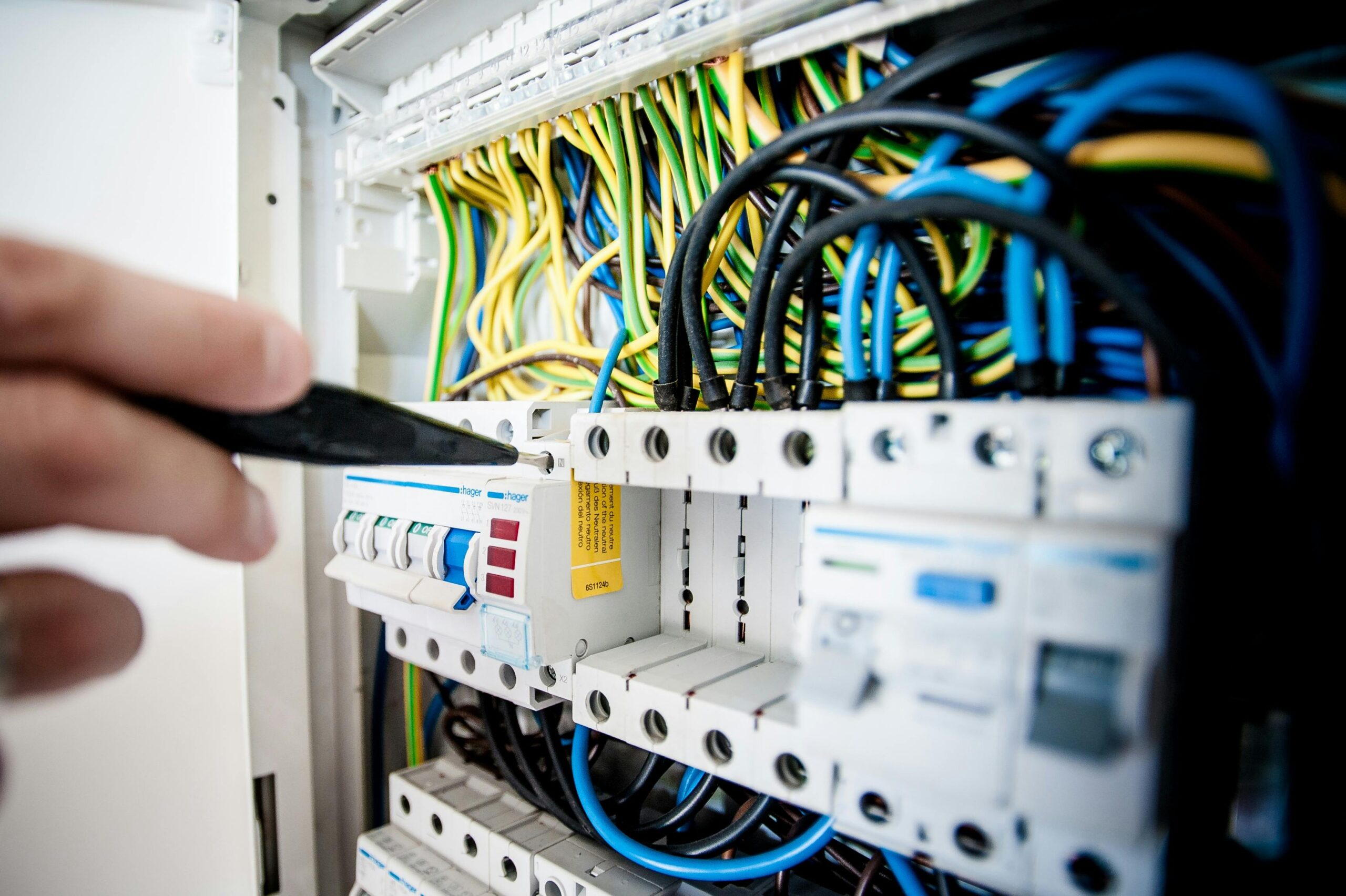
Routine inspections can identify loose connections, damaged wiring, corrosion, or overloaded circuits. Addressing these problems early may reduce the risk of equipment failure, electric shock, or fire.
Common Electrical Issues Found in Sydney Properties
Sydney properties can develop faults because of ageing components, heavy electrical loads, moisture, or damaged equipment. Some problems remain hidden until a breaker trips or an appliance stops working.
However, several warning signs can help property owners recognise a problem early.
Here are the most common issues found during inspections:
- Frequent circuit breaker trips: Repeated trips may point to an overloaded circuit, a faulty appliance, or a wiring problem. A licensed electrician should investigate the cause.
- Flickering or dimming lights: Loose connections, circuit overload, or supply problems may cause flickering or dimming.
- Damaged power outlets: Warm outlets, scorch marks, sparks, cracks, or loose faceplates require prompt attention.
- Old or damaged wiring: Some older cable types can become brittle over time. An electrician can inspect concealed wiring and determine whether it needs repair or replacement.
- Power surges or voltage changes: These may damage appliances. In addition, they can indicate a problem with the electrical installation or incoming supply.
Catching these issues early saves money on repairs and removes fire and shock risks before they cause harm. A licensed electrician inspecting your electrical installation can detect faults invisible to the untrained eye.
How Often Should Electrical Systems Be Inspected in Sydney?
The right inspection frequency depends on your property type, age, and the level of electrical system use. There is no one-size-fits-all answer, but there are clear and practical benchmarks to follow.
Residential Properties
There is no single inspection interval that suits every Sydney home. The right schedule for how to maintain electrical systems in Sydney depends on the property’s age, wiring condition, electrical use, and repair history.
A licensed electrician can recommend an inspection schedule after assessing the property. NSW guidance also recommends arranging an electrical check for homes built before 2000, especially when their safety-switch protection is unknown.
Older properties may need more frequent attention. The same applies after major renovations, new appliance installations, repeated breaker trips, or signs of damaged wiring.
Strata and Commercial Properties
Strata and commercial properties may have additional safety duties. However, inspection and testing intervals vary depending on the equipment, workplace conditions, and risk level.
If you manage a strata building or commercial space in Sydney, working with a specialist strata electrician in Sydney helps ensure your inspection schedule meets current obligations. Therefore, property managers should base the testing program on a risk assessment and the applicable safety requirements.
Essential Electrical Maintenance Checklist for Sydney Homeowners
A lot of basic electrical maintenance does not require any tools or trade skills. The goal is to stay observant and act on warning signs before they escalate. Here is a practical checklist to run through regularly:
- Test safety switches at least every six months: Press the test button on each safety switch. The switch should cut the power. Contact a licensed electrician if it does not trip or reset correctly.
- Inspect power outlets: Look for scorch marks, cracks, loose faceplates, or unusual warmth. Stop using a damaged outlet until an electrician checks it.
- Test smoke alarms every month: Press and hold the test button until the alarm sounds. Replace removable batteries each year and replace the alarm within ten years, or earlier if the manufacturer requires it.
- Use power boards safely: Do not connect one power board to another or rely on double adaptors for permanent power needs.
- Remove damaged equipment from use: Stop using cords with exposed wires, damaged plugs, or cracked insulation.
- Arrange professional inspections when needed: Book an electrician after major renovations, repeated electrical faults, water damage, or changes to the property’s electrical demand.
These checks form a simple part of how to maintain electrical systems in Sydney. However, homeowners should limit their work to visual checks and approved test buttons.
Running through this list monthly takes less than ten minutes. For anything beyond visual and functional checks, contact a licensed electrician in Sydney to handle it properly.
How to Maintain Electrical Systems in Sydney and Prevent Electrical Faults
Regular checks, safe appliance use, and sensible load management are central to how to maintain electrical systems in Sydney. Electrical problems may develop gradually because of damaged components, overloaded circuits, or delayed repairs.
As a result, early action can prevent a minor warning sign from becoming a more serious fault.
Managing Load Across Your Circuits
Every electrical circuit has a rated capacity. Using several high-power appliances on one circuit may overload it and cause the breaker to trip.
Therefore, avoid using extension cords and power boards as permanent substitutes for fixed outlets. Regular breaker trips may indicate an overloaded circuit, a faulty appliance, or a wiring problem.
The electrician may recommend a switchboard upgrade, additional circuits, appliance repair, or another suitable solution. A switchboard upgrade addresses the root cause properly rather than working around it with temporary solutions.
Keeping Your Wiring Up to Date
AS/NZS 3000:2018, with its current amendments, contains requirements for the design, construction, and verification of electrical installations. These rules cover areas such as circuit protection, earthing, wiring systems, and electrical equipment.
However, an older installation does not automatically become unsafe because standards have changed. Its safety depends on its condition, design, alterations, and current use.
The eight sections of AS/NZS 3000 cover everything from design and construction through to verification and testing. Section 8 specifically deals with testing and inspection requirements, which is why professional verification is not just best practice. The standard itself contains it.
Safe Appliance and Equipment Habits
Electrical risks in workplaces and homes come from a combination of equipment condition and how workers use that equipment. Check cords and plugs before use. In addition, keep vents clear around appliances that produce heat and follow the manufacturer’s operating instructions.
Commercial property managers should assess how and where workers use electrical equipment. A commercial electrician in Sydney can set up a testing schedule that keeps you compliant without disrupting your operations.
A licensed electrician must complete new electrical wiring work. This includes circuits for lighting, ceiling fans, and EV chargers. LED downlight, ceiling fan, and EV charger installations all have specific compliance requirements under AS/NZS 3000:2018.
When to Call a Licensed Electrician in Sydney
Some warning signs require immediate action. Stop using the affected outlet, appliance, or circuit when it is safe to do so. Then contact a licensed electrician.
Urgent warning signs include:
- A burning smell near an outlet, appliance, or switchboard
- Repeated or large sparks from an outlet
- Circuit breakers that continue to trip
- An electric shock or tingling sensation
- Buzzing, crackling, or humming sounds
- Scorch marks, heat, smoke, or melting plastic
Do not open the switchboard or attempt to repair the fault yourself. Call Triple Zero if there is a fire, smoke, serious electric shock, or an immediate danger to people.
Electrical faults can cause severe burns, electric shock, fire, and equipment damage. For this reason, NSW requires a licensed person to carry out electrical wiring work.
For urgent faults, an emergency electrician in Sydney can respond when the situation cannot wait.
An emergency electrician can assess urgent problems such as burning smells, repeated breaker trips, sparks, or loss of power linked to a suspected fault. Planned wiring work, including the installation of safety and dimmer switches, also requires a licensed electrician.
Keep Your Sydney Electrical System Safe and Reliable
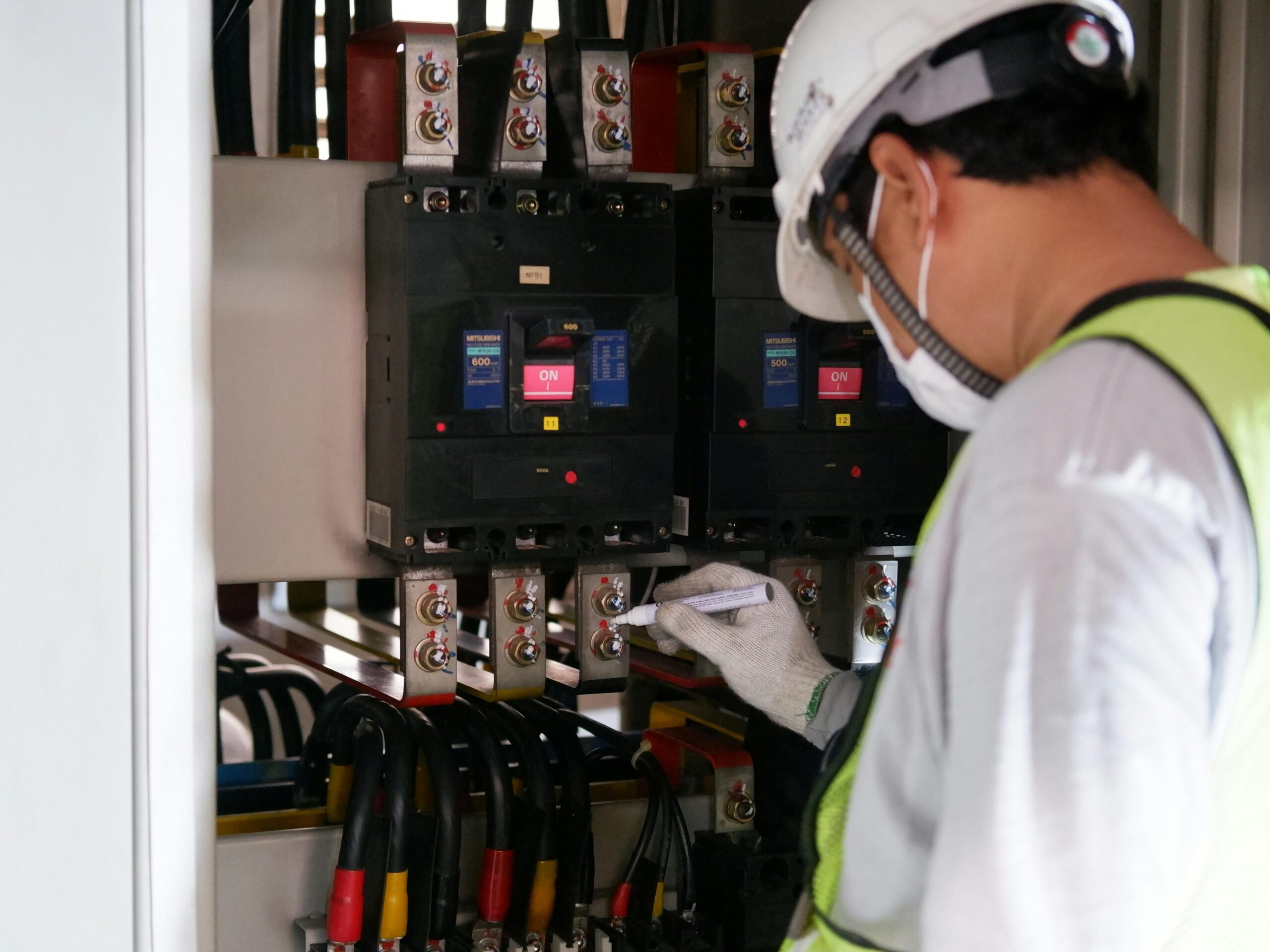
In practice, maintaining electrical systems in Sydney comes down to regular checks, safe appliance use, and timely professional support. Property owners should watch for warning signs and avoid overloading circuits.
Test safety switches at least every 6 months and smoke alarms monthly. However, leave wiring work, repairs, and technical testing to a licensed electrician.
These steps can help identify faults early and keep the electrical system safe and reliable..
Frequently Asked Questions
How Often Should Electrical Systems Be Inspected in Sydney?
There is no fixed inspection interval for every Sydney property. The appropriate schedule depends on the system’s age, condition, use, and repair history.
Regular inspections form part of how to maintain electrical systems in Sydney, especially in older properties or buildings with repeated faults. Arrange an inspection after major renovations, water damage, new circuits, or significant changes in electrical demand.
Commercial testing schedules should reflect the equipment, workplace environment, and level of risk.
What Are the Signs That Electrical Systems Need Maintenance?
Common warning signs include repeated breaker trips, flickering lights, warm outlets, scorch marks, and burning smells. Buzzing, crackling, sparks, or electric shocks also require prompt attention.
Stop using the affected appliance or circuit when it is safe to do so. Then ask a licensed electrician to investigate the cause.
Can Regular Maintenance Prevent Electrical Faults in Sydney Properties?
Regular maintenance can detect damaged wiring, loose connections, overloaded circuits, and faulty equipment before they cause more serious problems.
However, maintenance cannot prevent every electrical fault. Property owners should combine routine checks with safe appliance use and prompt repairs by a licensed electrician.
What Does Routine Electrical Maintenance Include in Sydney Homes?
Routine maintenance may include a switchboard check, safety-switch testing, outlet inspection, and an assessment of visible wiring. The electrician may also test earthing, circuit protection, and other parts of the installation when required.
At home, check outlets and cords for visible damage. Test smoke alarms every month and safety switches at least every six months. Keep any inspection reports or electrical compliance documents provided after the work.
How Do You Improve Electrical Safety in Residential Properties in Sydney?
Start with simple safety habits. Test safety switches at least every six months, avoid overloading power boards, and stop using damaged appliances.
In addition, arrange an inspection when you notice repeated faults, damaged wiring, or signs of an ageing switchboard. Knowing when to contact a licensed electrician is an essential part of how to maintain electrical systems in Sydney safely.
For older properties, an electrical assessment can identify which areas require attention first.